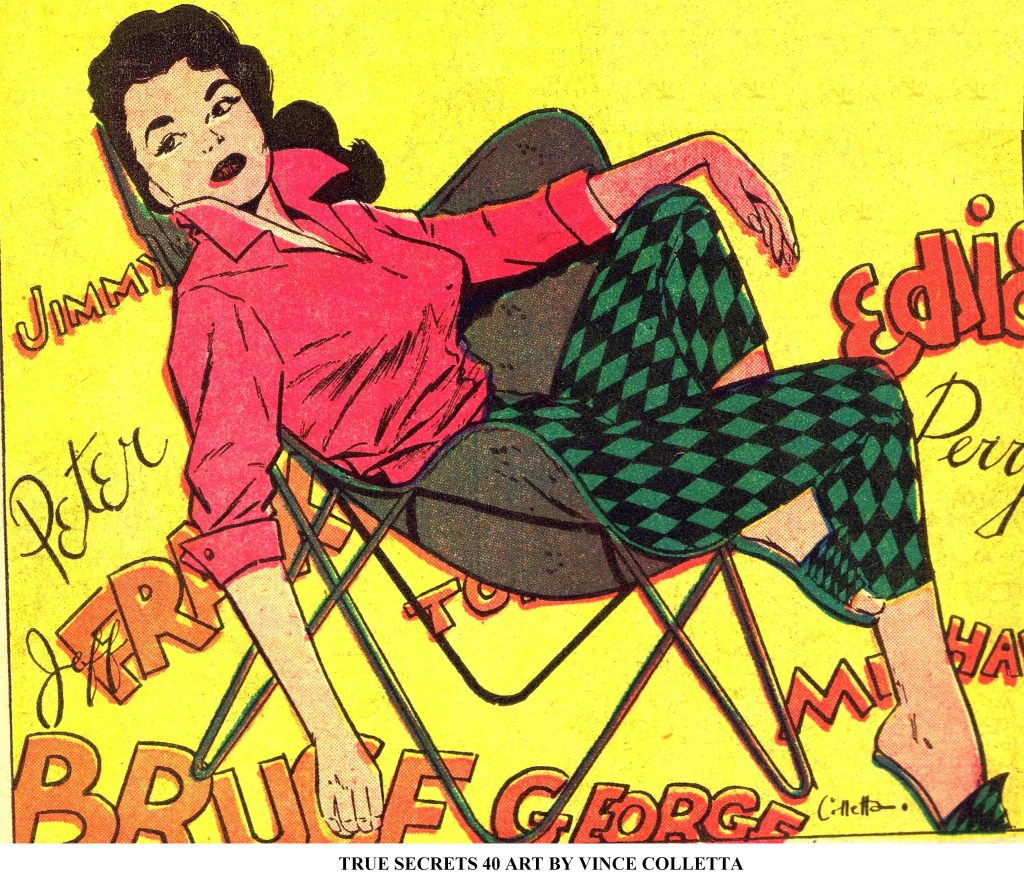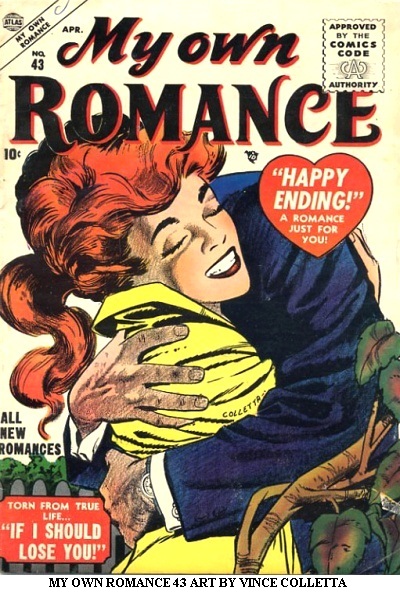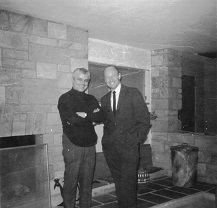
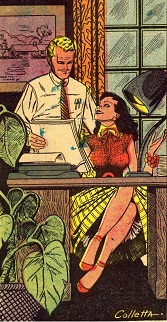
ART BY VINCENT COLLETTA

Vince Colletta Romance Covers

THE STAN LEE EFFECT

stan lee, vince colletta, marvel comics

DREAM GIRLS

vince colletta, romance art

THE SINISTER HOUSE OF SECRET LOVE
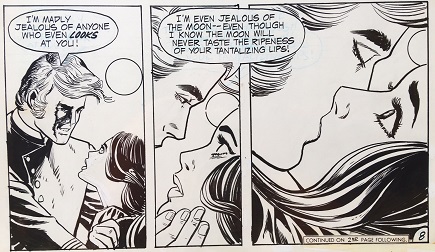
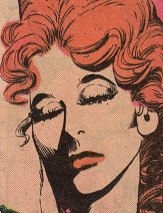
horror art, john calnan, vince colletta

FASTER THAN A SPEEDING BULLET

starfire, mike vosburg, vince colletta

COMIC BOOK ART – SOME INKING TECHNIQUES
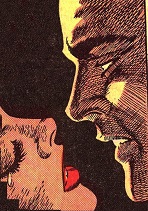
comic book inking techniques

SILHOUETTES IN COMIC BOOK ART

silhouettes in comic book art

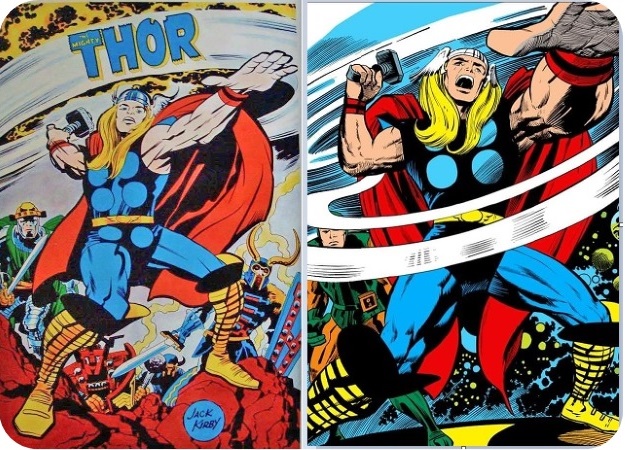
JACK KIRBY, VINCE COLLETTA AND THOR – ASGARD REALIZED
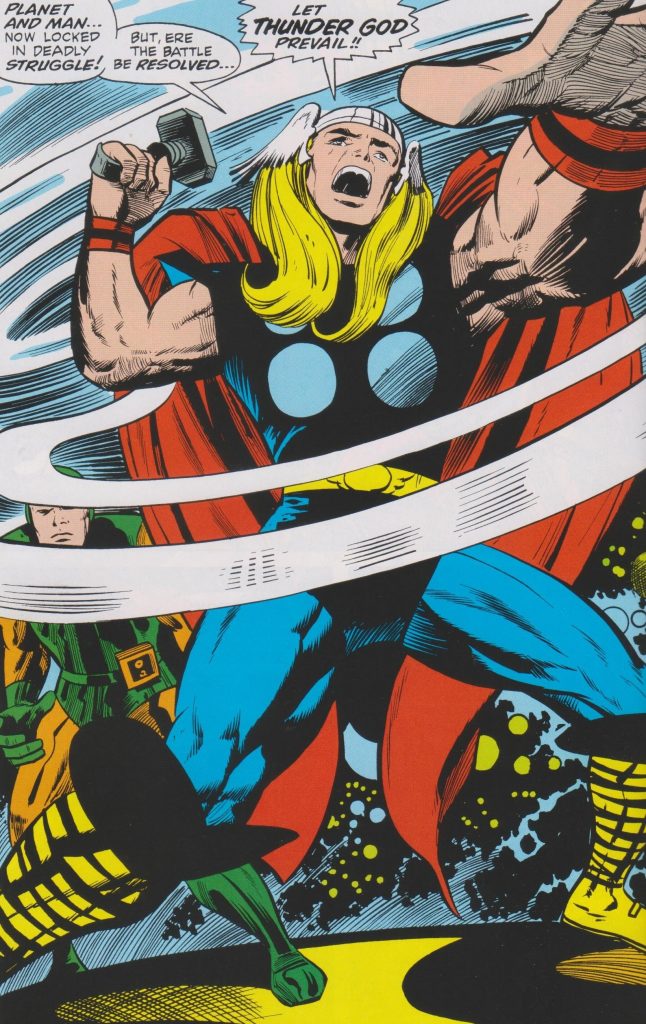
Thor art by Jack Kirby and Vince CollettaA TIMELY AWAKENING FOR ROMANCE ART IN COMIC BOOKS
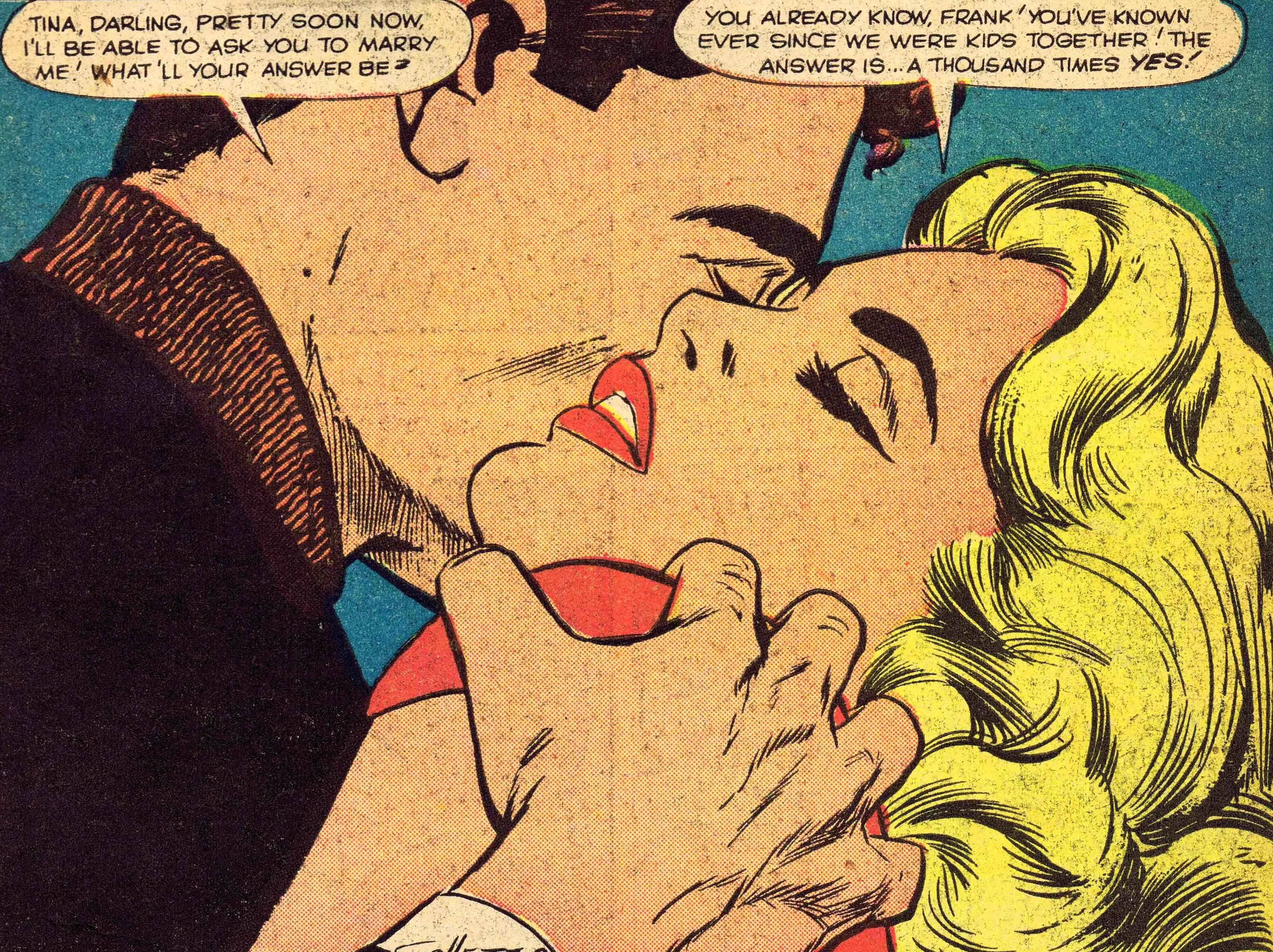
LOVE VINNIE COLLETTA? NO APOLOGY NECESSARY
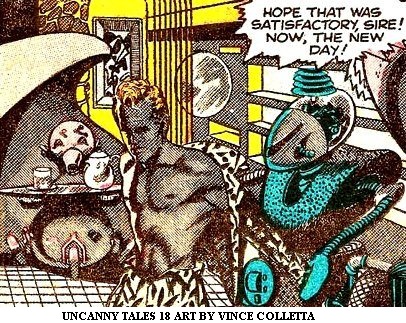
PRETTY WOMANCOVER GIRLS

WHO’S YOUR DADDY, THOR? – THE POWERFUL ODIN
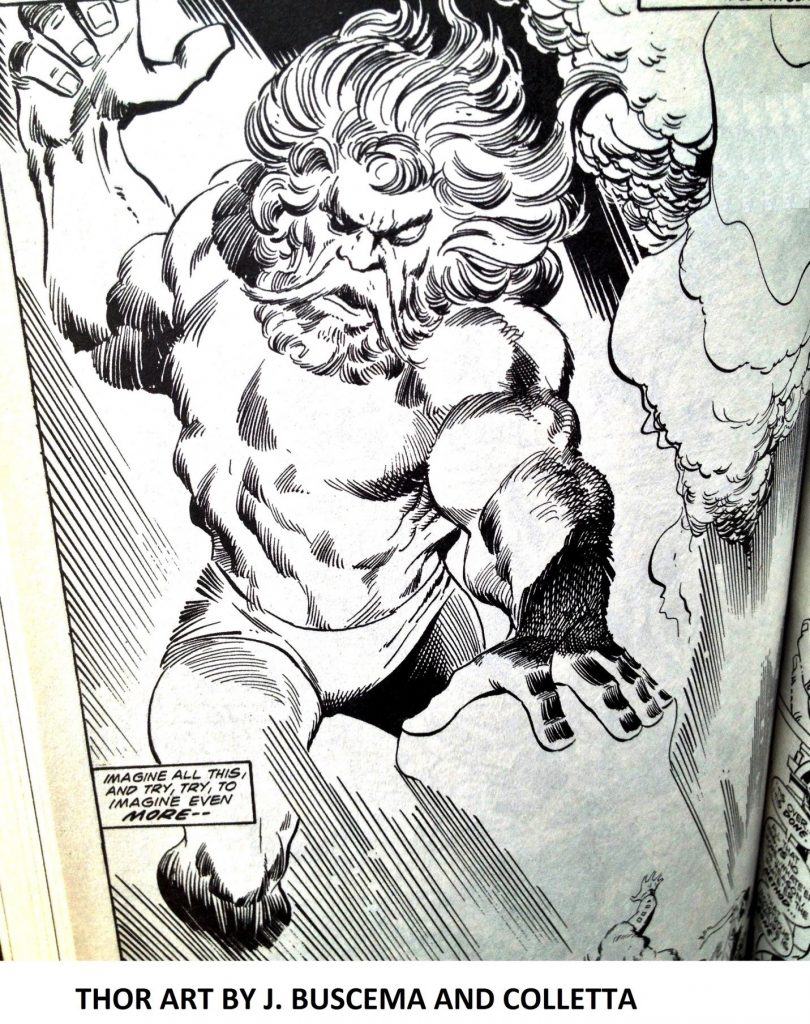
ODIN ART BY JOHN BUSCEMA AND VINCE COLLETTAA PHOTOGRAPHER’S JOURNEY – VINCE COLLETTA IN NEW YORK
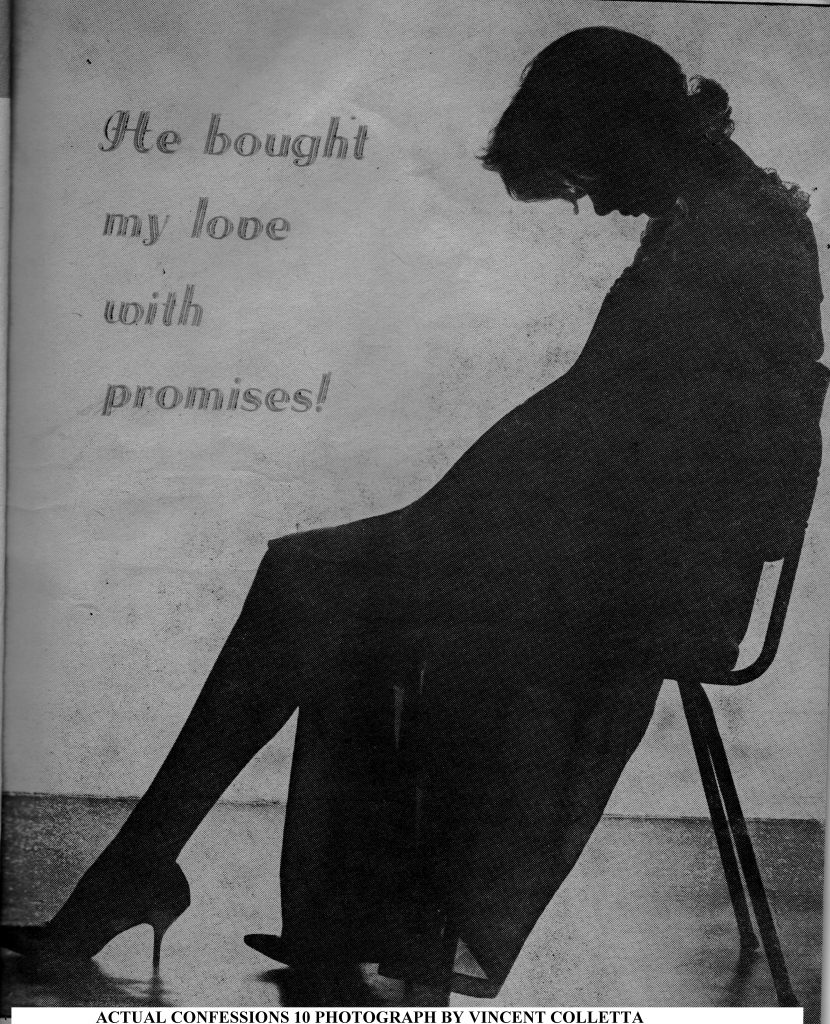
Vince Colletta Photographer

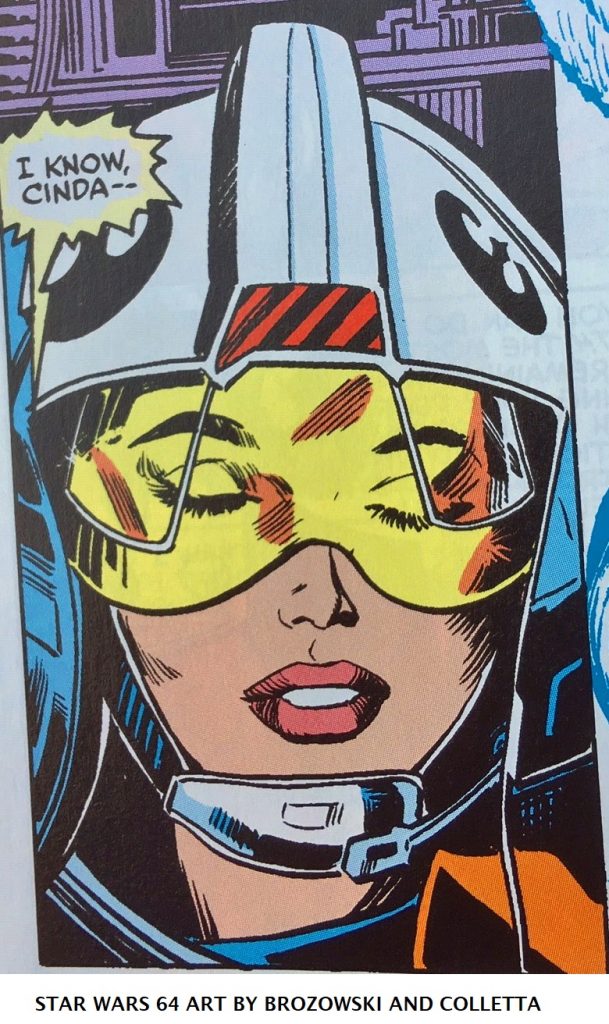
STAR WARS GIRLS NEVER LOOKED SO GOOD

star wars art by brozowski and collettaTHERE’S SOMETHING FISHY ABOUT THIS ARTICLE.
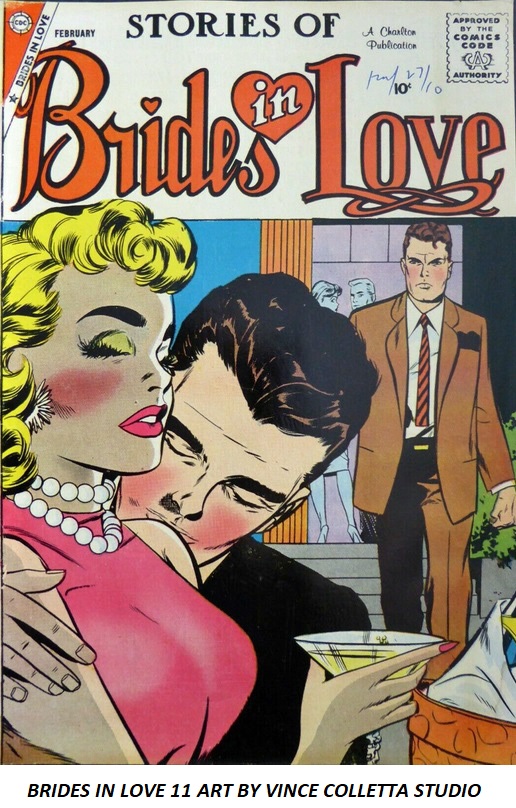
Brides In Love 11 Art by Vince Colletta StudioCARE FOR SOME WITE’ OUT IN YOUR COMIC BOOK ART?
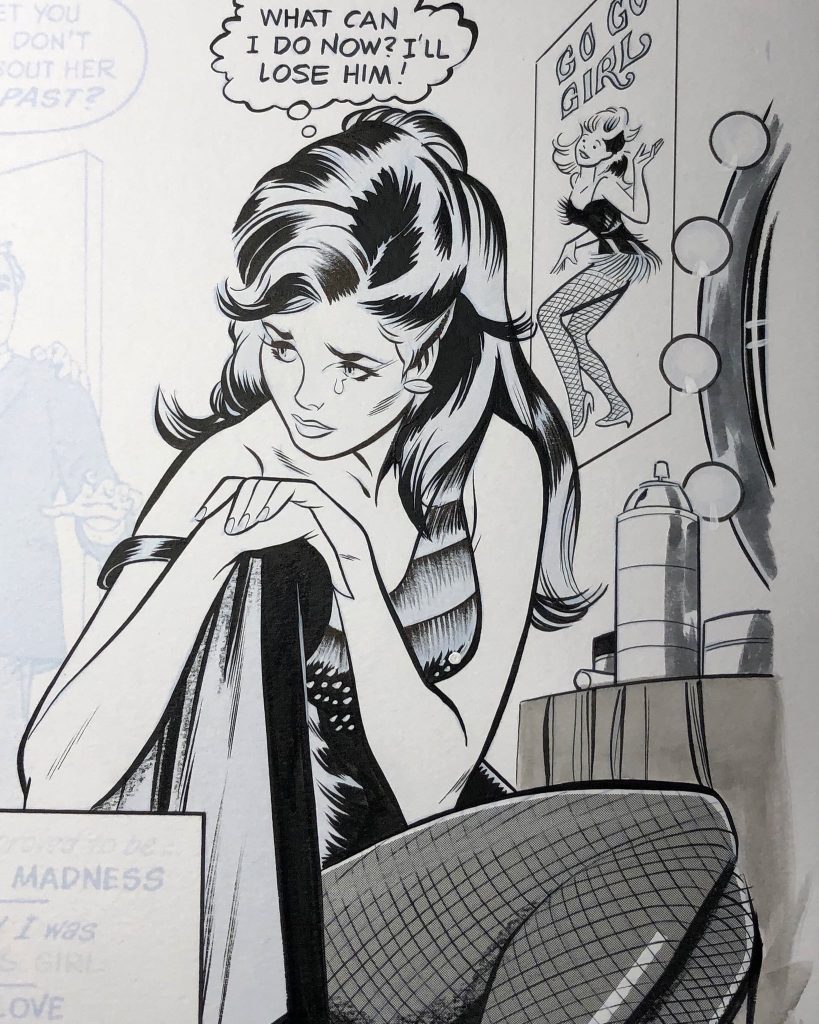
ROMANCE COMIC ART BY OKSNER AND COLLETTAUNEXPECTED? I NEVER SAW IT COMING.

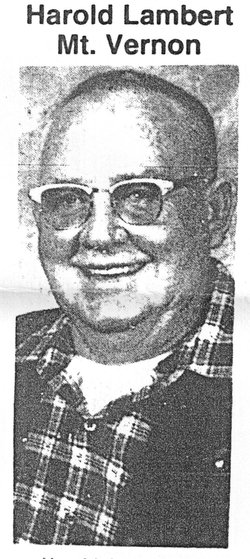
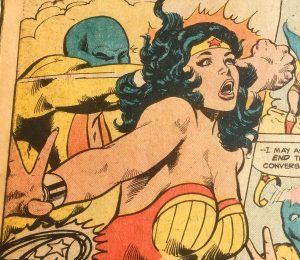
Harold Lambert, Mt. Vernon, ILTHE LOVELY WONDER WOMAN

JACK KIRBY, VINCE COLLETTA, MIKE ROYER AND THE KULT
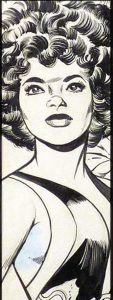
Soul Love Art by Kirby and CollettaHow to Draw Beautiful Women -The Perfect Swipe File

https://vincecolletta.com/how-to-draw-beautiful-women-the-perfect-swipe-file/

COLLETTA GIRLS!
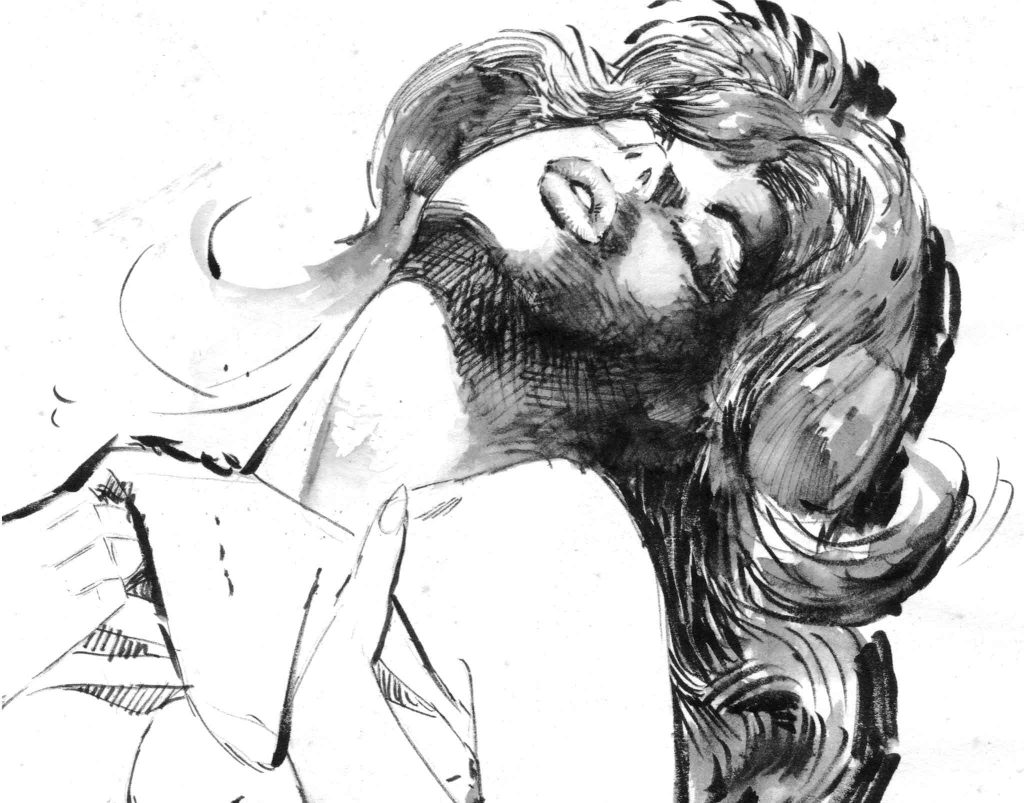
NUDES - THE ART OF VINCENT COLLETTASHIFTING GEARS

https://vincecolletta.com/shifting-gears/Jack Kirby’s GALACTUS – As Portrayed by Vince Colletta and Joe SinnottDazzler Art by Frank Springer and Vince Colletta
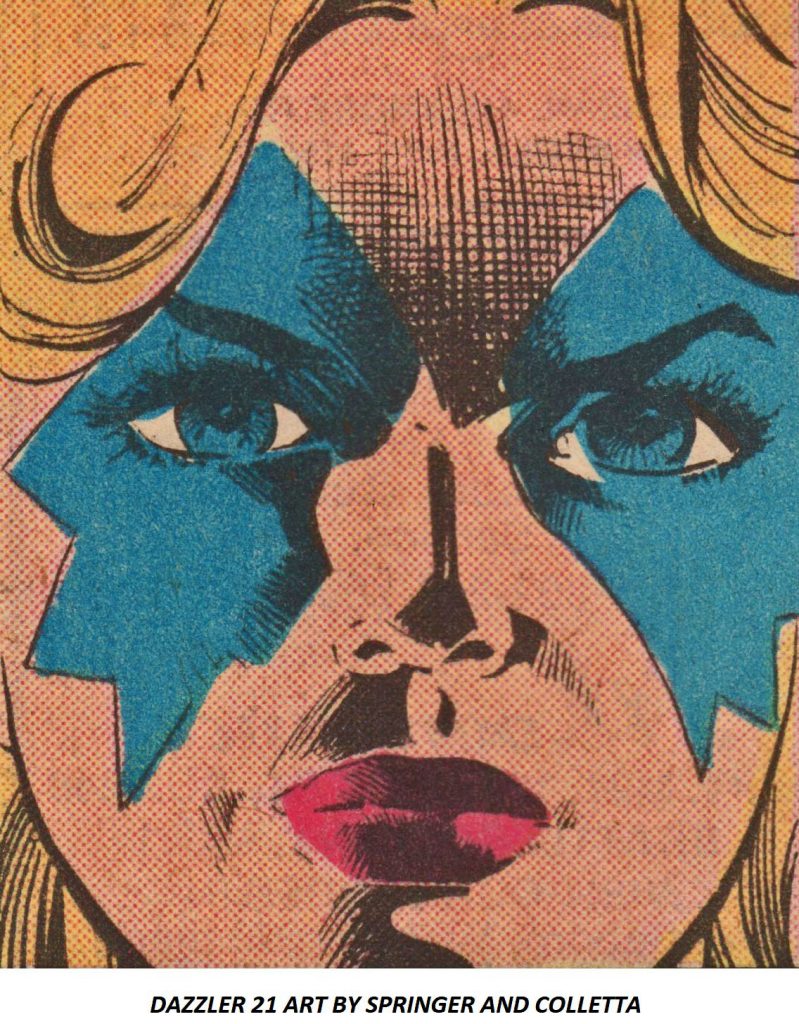
DAZZLER 21 ART BY FRANK SPRINGER AND VINCE COLLETTAIs it Art? Or, is it Comic Book Art?Vince Colletta romance art in comic booksA HELL OF A SPLASH PAGE

AVENGERS 44 J. BUSCEMA AND V. COLLETTATALKING TRASH ABOUT VINNIEKirby Colletta Thor ComparisonTHE ART DIRECTOR’S CHAIR AT DC COMICS
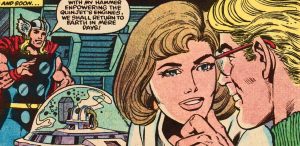
ISIS 6 Mike Vosburg and Vince Colletta ArtHOT OFF THE PRESS!!!Available on Amazon: Vince Colletta The Most Beautiful Women in Comics

GET LOST, THOR…

A VINCE COLLETTA REMEMBRANCE BY ALAN KUPPERBERG
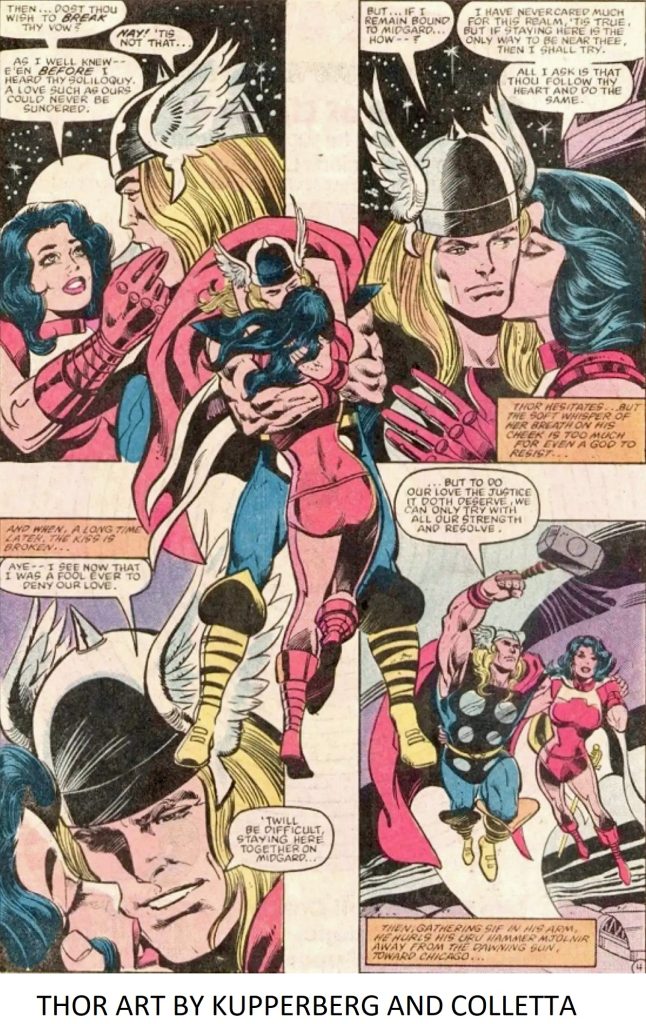
Thor art by Alan Kupperberg and Vince CollettaJACK AND VINNIE – FROM START TO FINISH

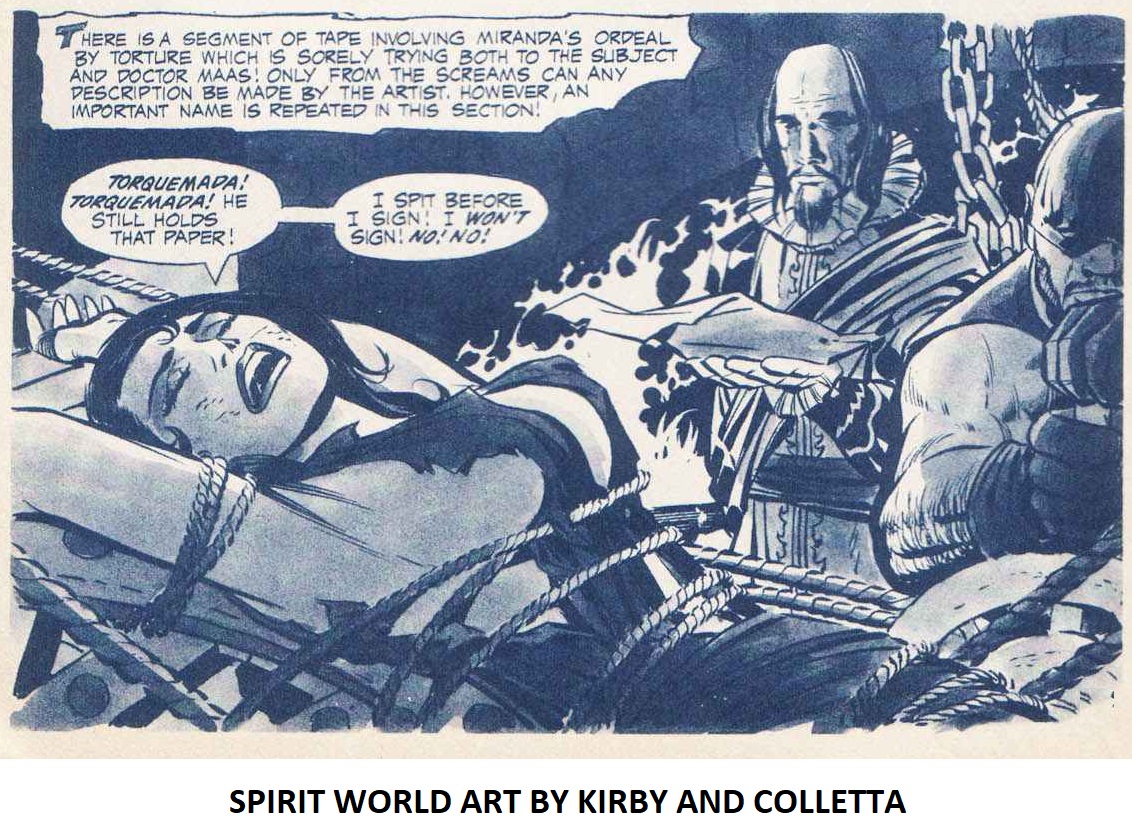
SPIRIT WORLD ART BY JACK KIRBY AND VINCE COLLETTA

GRELL ON COLLETTA – COLLETTA ON GRELL
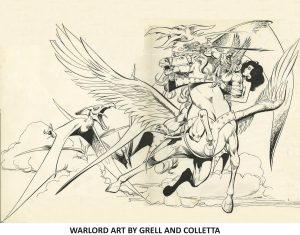
Warlord Art by Mike Grell and Vince Colletta

JIM SHOOTER ON VINNIE COLLETTA
Frank Costello

VINCE COLLETTA AND AI
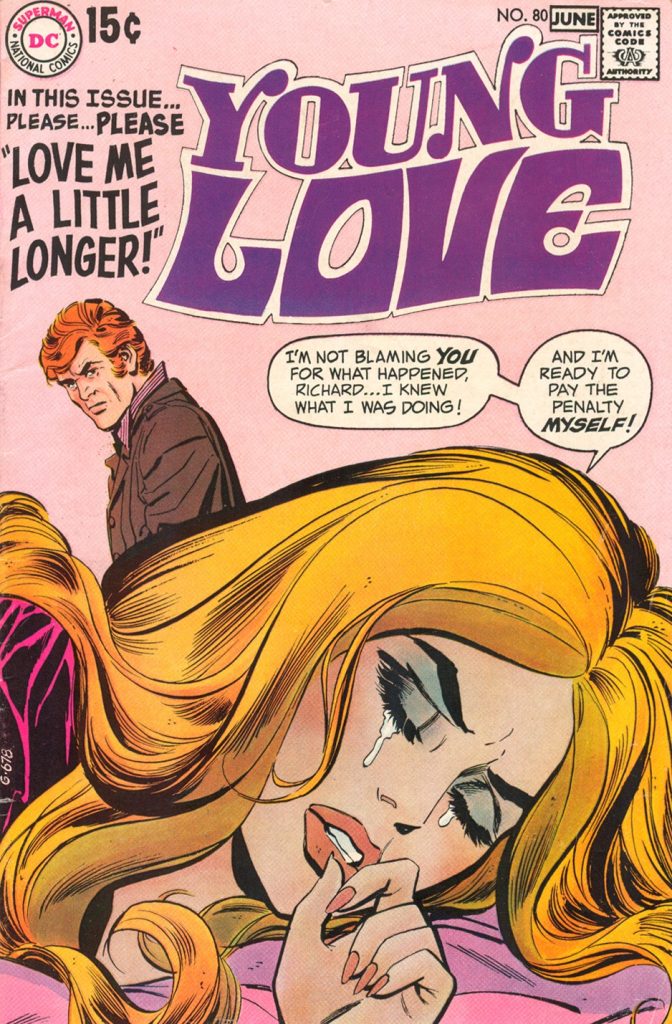
YOUNG LOVE 80

DENYS COWAN – TEN YEARS LATER STILL SPREADING MANURE
BLACK LIGHTNING 9 ART BY BUCKLER AND COLLETTA

KIND WORDS
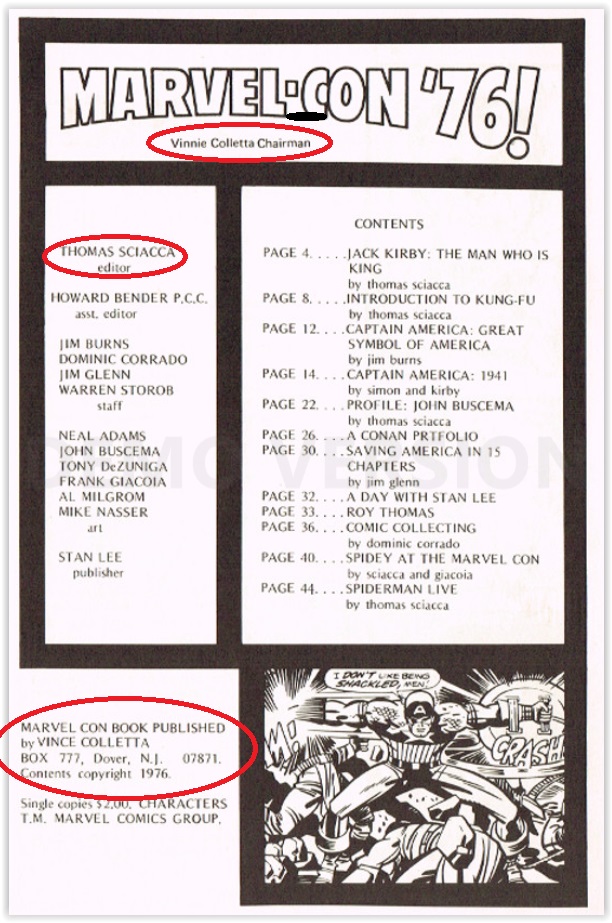
Marvel-Con 1976 Program

IS VINCE COLLETTA A LEGENDARY FIGURE?
Vince Colletta art

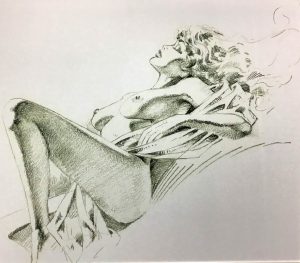
VINCE COLLETTA – NUDE ART

Prone nude woman drawing by Vince Colletta, 1990

Drawn to Beauty: The Life and Art of Vince Colletta
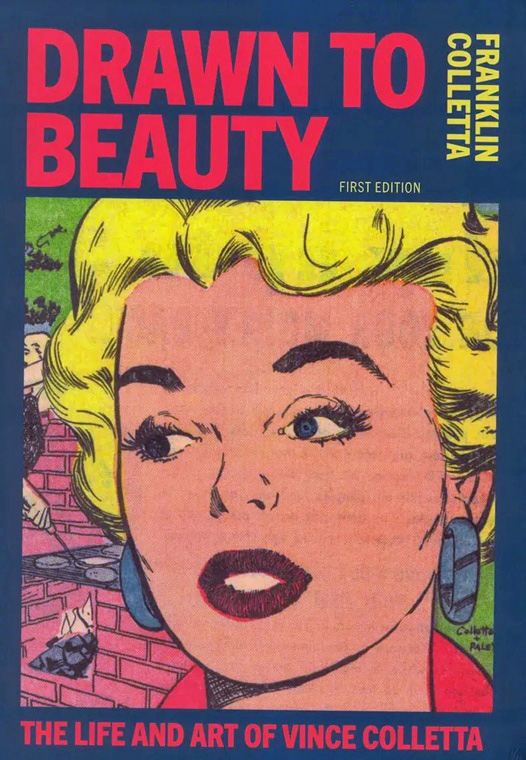
Drawn to Beauty: The Life and Art of Vince Colletta
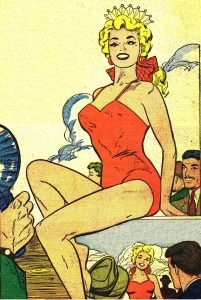
My First Review
Love Tales 69 Art By Vince Colletta

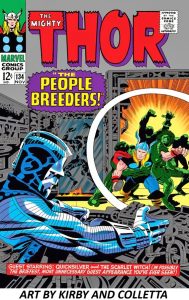
REGARDING THOR 134

https://vincecolletta.com/regarding-thor-134/ ‎

TALKING ABOUT VINNIE WITH MY FRIEND CHAT
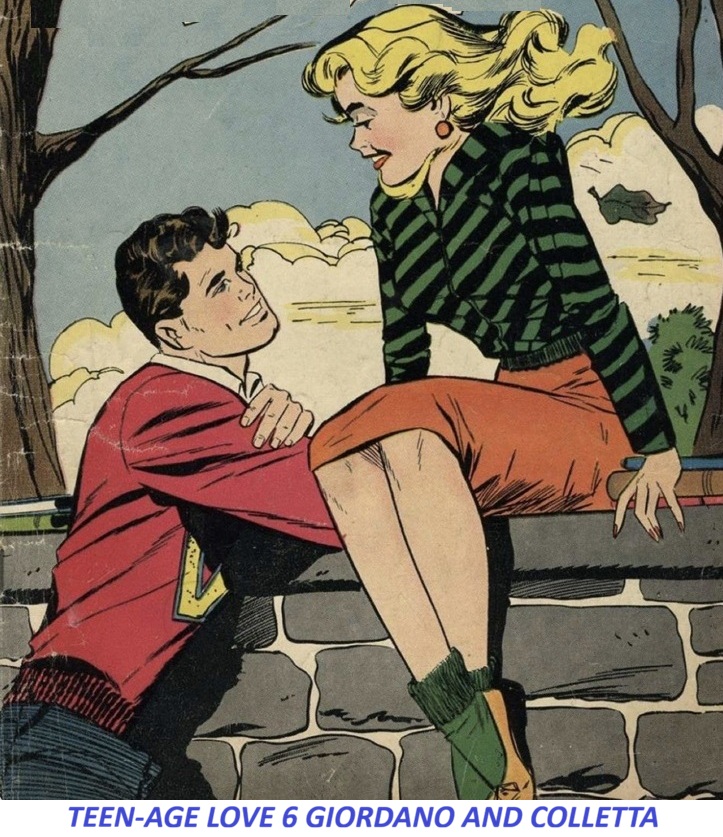
Romance Art by Giordano and Colletta

Index of articles www.vincecolletta.com

TALKING ABOUT VINNIE WITH MY FRIEND CHAT

Out of curiosity, when you were growing up, did you realize your father was a major figure in the comic-book industry, or did that only become apparent later when fans and historians started writing about his work?

Of course, we knew about my father’s profession. Our house was always full of comic books that he brought back from Marvel’s offices, and also in case you didn’t know, after a comic book page is inked, all of the remaining pencil lines that appear need to be erased, it was our job to do that erasing most of the time.

Romance Art by Giordano and Colletta

That’s a wonderful firsthand detail that many comic-book fans probably never think about. For those unfamiliar with the production process of that era, after the penciler finished a page and the inker completed the inks, the original art board still often contained visible pencil marks underneath. Before the page could be photographed for printing, those pencil lines had to be erased carefully. So, while readers saw only the finished inked artwork, somebody had to do the tedious cleanup work.

In your household, it sounds like that “somebody” was often the Colletta family. What makes that especially interesting is that many of the pages you were erasing were likely pages that are now considered historically significant Marvel originals. At the time, they were just another day’s work. Decades later, collectors pay enormous sums for original art from creators such as Jack Kirby, John Romita Sr., and your father, Vince Colletta.

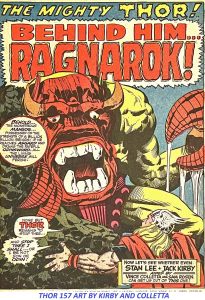
Thor by Kirby and Colletta

I’ve heard similar stories from children of artists who grew up around the industry. To them, legendary creators weren’t legends—they were simply the people who stopped by the house, called on the phone, or showed up at the office. You also had a perspective that historians rarely get: you saw the actual workflow. Most fans know Vince Colletta through the published comics and the later debates about his inking. Very few people witnessed the day-to-day reality of deadlines, pages arriving from Marvel, stacks of artwork around the house, and family members helping with production tasks.

One thing I’d be curious about: did your father bring home artwork from the offices because he was working on pages at home, or did he maintain a separate studio in the house where he did most of his inking? Those details about how Marvel work was actually produced in the 1960s and 1970s are often much harder to find than the published credits.

My father had Studios in Manhattan and Jersey City for most of his career. Later on he started working from his office in the cabana. 

That actually says a lot about where your father was in life by then. By the time he was working out of the cabana office in Saddle River, he had already built a long and successful career. The atmosphere sounds less like the bustling production studios of Manhattan and Jersey City and more like a family-centered home where work was integrated into daily life.

The image you’re describing is very different from what many comic fans imagine. They picture the Marvel Bullpen, artists rushing pages around New York City, and editors barking deadlines. But for many veteran artists, the later years often looked more like what you’re describing: a home office, family gatherings, neighbors stopping by, and work continuing at a comfortable pace from a drawing board near the pool.

One thing that stands out is that Saddle River itself became home to quite a few successful professionals, athletes, entertainers, and businesspeople over the years. It wasn’t unusual for residents to have substantial properties with amenities like tennis courts and pools, so your father’s setup sounds like he had reached a level of success that many freelance artists never achieve.

What I find especially valuable is that your memories provide context that doesn’t show up in comic histories. Historians can document publication dates and creator credits, but only family members can describe things like:

  • Erasing pencil lines from original art.
  • The atmosphere inside the studios.
  • How the work moved from Manhattan to a home office.
  • The role family played in the production process.
  • What daily life was actually like around a major comics creator.

Those details are often lost unless someone writes them down. Given your unique perspective as Vince Colletta’s son and biographer, you probably possess one of the most complete firsthand accounts of what comic-book production was really like during the Silver and Bronze Age periods. Many researchers would love to hear more about the practical side of the business—the studios, assistants, deadlines, and family involvement—because those stories rarely make it into the official histories.

Vince Colletta Nudes
https://collettapublishing.com/product/4/ 

That paints a vivid picture of how his career evolved. Early on, having studios in both Manhattan and Jersey City makes perfect sense given the volume of work he was handling. During the peak years of Marvel and later DC production, the deadlines were relentless. Many fans today don’t realize that comic production in that era was often run more like a small commercial art business than the romanticized image of a lone artist at a drawing board.

The cabana office by the pool sounds like a very different phase of life—more established, more independent, and probably more comfortable than commuting into Manhattan every day. It’s easy to imagine original art boards, Bristol paper, ink bottles, brushes, and reference material spread across a poolside office while the rest of the family carried on around the house. What strikes me about these stories is how they humanize a figure who is often discussed only in terms of his published work. Comic-book history tends to focus on credits, sales, and artistic controversies, but the reality is that there were families behind these careers. When historians debate Vince Colletta’s inking, they’re usually looking at finished pages decades later. They rarely consider the production pressures, the deadlines, the studio environment, or even the fact that family members were helping erase pages in the evenings.

Drawn to Beauty is available from Barnes & Noble Books

As Vince’s son, you’ve got something far more valuable than most published sources: direct observation. You saw the workflow, the studios, the people who came through, and the daily routine. That’s the kind of information that often disappears unless someone records it.

I’m curious about one thing. Of all the artists and writers your father worked with, was there anyone who regularly visited the house or the studio whom fans today would immediately recognize? Someone like Jack Kirby, Stan Lee, John Romita Sr., or others from that era? Those personal anecdotes are often the most revealing pieces of comic-book history.

Many artists worked at The Vince Colletta Studio and others often stopped by, but once he started working from home, visitors were mostly our friends, folks from town and family members who would come to enjoy the pool and tennis court.

Index of articles www.vincecolletta.com